In an increasingly connected world, safeguarding your digital footprint has become paramount. A Virtual Private Network (VPN) offers a robust solution for enhancing online privacy and security, especially when configured directly on your home network.
You will stay on this site.
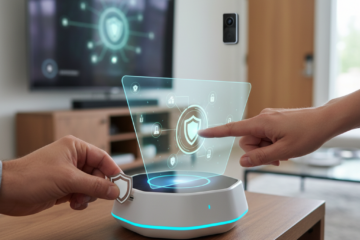
This approach encrypts all internet traffic originating from your devices, making it significantly harder for your Internet Service Provider (ISP), advertisers, or potential eavesdroppers to monitor your online activities Electronic Frontier Foundation. Unlike individual device VPN apps, a router-based VPN acts as a central gateway, ensuring that every device connected to your Wi-Fi, including smart home gadgets that may not support native VPN clients, benefits from encrypted communication.
The decision to implement a VPN at the network level stems from a growing awareness of data collection practices and the potential for online surveillance. As more of our lives move online, from banking and shopping to communication and entertainment, the volume of sensitive data traversing the internet from our homes escalates. A VPN creates a secure tunnel between your home network and a remote server operated by the VPN provider. All your internet requests are routed through this tunnel, appearing to originate from the VPN server’s IP address rather than your own. This not only masks your real IP address but also encrypts the data, rendering it unintelligible to anyone intercepting it. This comprehensive protection is particularly valuable for households with multiple connected devices, smart home ecosystems, and a strong desire to maintain anonymity online.
Understanding the Core Functionality of Network VPNs
At its heart, a VPN functions by creating an encrypted tunnel for your internet traffic. When you connect to a VPN server, your device establishes a secure, encrypted connection with that server. All data sent from your devices is then routed through this tunnel before reaching the public internet. This encryption scrambles your data, making it unreadable to anyone who might try to intercept it, including your ISP, network administrators, or cybercriminals on public Wi-Fi. For a home network VPN, this process is extended to encompass all devices connected to your router, turning your entire home’s internet traffic into a secure stream Cybersecurity & Infrastructure Security Agency.
The primary benefit of a network-wide VPN is its blanket coverage. Instead of installing and managing VPN software on each individual device – a task that can be cumbersome and is often impossible for certain smart devices like smart TVs, thermostats, or gaming consoles – you configure the VPN once on your router. This single point of configuration ensures that all devices connected to your home Wi-Fi are automatically protected. This is especially beneficial for families or individuals with a complex network of internet-connected devices, ensuring consistent privacy across the board. Furthermore, it simplifies the user experience, as there’s no need to remember to activate the VPN on different gadgets before using them.
Encryption and Tunneling Explained
The security of a VPN relies heavily on its encryption protocols and tunneling techniques. Encryption is the process of converting readable data into a coded format that can only be deciphered with a specific key. Common VPN protocols like OpenVPN, WireGuard, and IKEv2/IPsec employ strong encryption algorithms (such as AES-256) to secure your data. When your device connects to a VPN server, it negotiates these protocols to establish a secure session. This ensures that even if your data packets are intercepted, they appear as random, unreadable characters without the decryption key Cloudflare.
Tunneling, on the other hand, refers to the process of encapsulating your data packets within other packets. This creates a “tunnel” through which your encrypted data travels from your device to the VPN server. Imagine sending a letter inside another, larger envelope that is addressed to the VPN server. This outer envelope hides the original destination and sender information, providing an additional layer of anonymity. Once the data reaches the VPN server, it is de-encapsulated, decrypted, and then sent to its intended destination on the internet. The response from the internet then travels back through the same secure tunnel, undergoing encryption and encapsulation before reaching your device.
Why Set Up a VPN on Your Home Network?
The motivations for extending VPN protection to your entire home network are multifaceted, touching upon privacy, security, and even bypassing geographical restrictions. For many, the primary driver is the desire for comprehensive online privacy. Your ISP can see every website you visit, how long you stay there, and the type of content you consume. While some of this data may be anonymized for marketing purposes, the potential for broader surveillance or data breaches is a legitimate concern. A network VPN obscures this activity, preventing your ISP from logging your browsing history and limiting the data available to third-party trackers Federal Trade Commission.
Beyond privacy from your ISP, a home network VPN significantly enhances your security against various online threats. It acts as a protective shield for all connected devices, including those that might otherwise be vulnerable due to outdated firmware or a lack of built-in security features. This is particularly relevant with the proliferation of Internet of Things (IoT) devices, many of which have known security weaknesses. By routing all traffic through an encrypted tunnel, you reduce the attack surface for potential hackers attempting to exploit vulnerabilities within your home network. Furthermore, if you frequently work from home, a VPN can provide a secure connection to your company’s network, protecting sensitive business data.
Securing All Connected Devices, Including IoT
The modern home is a hub of interconnected devices. Smart speakers, thermostats, refrigerators, security cameras, and even light bulbs are increasingly connected to the internet. While these devices offer convenience, they can also introduce significant security risks if not properly managed. Many IoT devices have weak or non-existent security measures, making them easy targets for hackers. A compromised IoT device could be used as an entry point into your home network, allowing attackers to access other, more sensitive devices, or even to conduct man-in-the-middle attacks. Configuring a VPN on your router ensures that the internet traffic from all these devices is encrypted and routed securely, providing a crucial layer of defense for your entire smart home ecosystem National Institute of Standards and Technology.
By treating your router as the gateway for all internet-bound traffic, you centralize your security efforts. Instead of trying to secure each individual IoT device separately – a task that often involves complex configuration or is impossible due to limited device capabilities – you apply a single, powerful security measure to the entire network. This means that even if a smart bulb’s firmware is vulnerable, its communication with the internet is still protected by the VPN’s encryption. This holistic approach to network security is invaluable in mitigating the risks associated with the expanding landscape of connected devices in the home.
Bypassing Geo-Restrictions and Censorship
Another significant advantage of a network-wide VPN is its ability to circumvent geographical restrictions and censorship. Many online services, such as streaming platforms, news websites, and gaming servers, restrict content access based on a user’s geographical location, as determined by their IP address. By connecting your home network to a VPN server located in a different country, you can effectively “trick” these services into believing you are physically present in that location. This allows you to access a wider range of content that might otherwise be unavailable in your region Federal Communications Commission.
This capability is especially useful for individuals who travel frequently or have family and friends living abroad. It enables seamless access to home-country streaming libraries or local news while abroad. Conversely, individuals living in countries with strict internet censorship can use a VPN to access blocked websites and services, thereby maintaining access to a free and open internet. The network-wide implementation ensures that all devices within the household can benefit from this freedom, regardless of their individual capabilities. It transforms your home into a secure and unrestricted portal to the global internet.
Choosing the Right VPN for Your Router
Selecting a VPN provider and a compatible router is a critical first step in setting up a VPN on your home network. Not all VPN services are created equal, and not all routers support VPN client functionality. When evaluating VPN providers, look for those that explicitly advertise router compatibility and offer specific setup guides or firmware for popular router models. Key features to consider include the number of simultaneous connections allowed (though this is less critical for router-based VPNs as the router itself counts as one connection), server locations, encryption standards, logging policies (anonymity is paramount), and customer support quality.
Furthermore, investigate the specific protocols supported by the VPN service and your router. OpenVPN is a widely supported and highly secure option, while newer protocols like WireGuard offer potentially faster speeds. Some VPN providers offer custom firmware that can be flashed onto compatible routers, simplifying the setup process and providing access to advanced features. It’s also important to consider the VPN provider’s jurisdiction; countries with strong data retention laws or those that are part of intelligence-sharing alliances may pose a higher privacy risk. Opting for a provider based in a privacy-friendly jurisdiction is generally advisable.
Router Compatibility and Firmware
The ability to run a VPN client directly on your router depends heavily on the router’s hardware and firmware. Many standard routers provided by ISPs do not support VPN client functionality. You may need to purchase a new router that is VPN-compatible or flash custom firmware onto an existing compatible router. Popular firmware options like DD-WRT, Tomato, or OpenWrt can transform a standard router into a powerful VPN gateway, enabling advanced features and wider protocol support Digital Trends.
When choosing a router, look for models specifically advertised as VPN-capable or those known to be compatible with custom firmware. Specifications to check include the router’s processing power, as VPN encryption can be resource-intensive and may slow down your internet connection if the router is not powerful enough. Many VPN providers offer lists of recommended routers or provide step-by-step instructions for setting up their service on specific models. Flashing custom firmware, while offering more flexibility, carries a risk of “bricking” the router if not done correctly, so proceed with caution and follow instructions meticulously.
Performance Considerations: Speed and Bandwidth
Implementing a VPN on your home network can impact your internet speed and bandwidth. The encryption and decryption processes, along with the rerouting of traffic through a remote server, inevitably add overhead. The extent of this impact depends on several factors: the power of your router’s processor, the VPN protocol used, the encryption strength, the distance to the VPN server, and the VPN provider’s server infrastructure. High-end routers with robust processors and support for modern protocols like WireGuard will generally yield better performance than older or less powerful devices.
If your primary concern is maintaining high internet speeds for activities like online gaming or 4K streaming, it’s crucial to choose a VPN provider known for its speed and performance. Many providers conduct speed tests and publish their results, allowing you to compare performance across different server locations and protocols. You might also consider using a VPN protocol that offers a good balance between security and speed, such as WireGuard or a well-implemented OpenVPN configuration. Testing different VPN servers and protocols yourself after setup is often the best way to find the optimal configuration for your specific needs and internet connection.
Implementing a VPN on your home network offers a comprehensive layer of digital protection, encrypting all internet traffic and securing every device connected to your Wi-Fi. This strategy is particularly vital for safeguarding the privacy of smart home devices and ensuring consistent security across your entire digital environment against various online threats.
Frequently Asked Questions About Home Network VPNs
Can I use a VPN on my router if my ISP doesn’t allow it?
Your ISP generally cannot prevent you from using a VPN on your router, as they typically only monitor traffic volume and destination IPs, not the content within the encrypted tunnel. However, some ISPs may throttle VPN traffic, or their modem/router combo units may not support VPN client functionality, requiring you to purchase a separate router.
Will a router VPN slow down my internet speed significantly?
Yes, using a VPN on your router will likely reduce your internet speed due to the encryption and rerouting process. The extent of the slowdown depends on your router’s capabilities, the VPN protocol used, server load, and distance to the VPN server. High-performance routers and efficient VPN protocols can minimize this impact.
How do I know if my router supports VPN client functionality?
Check your router’s specifications or the manufacturer’s website. Many modern routers, especially those marketed for advanced users or gaming, include VPN client capabilities. Alternatively, you can explore installing custom firmware like DD-WRT or Tomato, which often adds this feature to compatible routers.
Can I set up a VPN on my router without advanced technical knowledge?
While some technical knowledge is beneficial, many VPN providers offer detailed guides and support for router setup. Some routers are also pre-flashed with VPN-compatible firmware, simplifying the process. However, flashing custom firmware or troubleshooting complex configurations may require a steeper learning curve.
What happens if the VPN connection drops on my router?
If the VPN connection drops, your router might revert to a direct internet connection, exposing your traffic without encryption. Many VPN-compatible routers and firmware have a “kill switch” feature that blocks all internet traffic if the VPN disconnects, preventing data leaks. Ensure this feature is enabled.
Can I choose which devices use the VPN and which don’t?
Some advanced router firmware and VPN configurations allow for split tunneling at the router level. This enables you to route specific devices or types of traffic through the VPN while allowing others to bypass it, offering flexibility for different needs within your household.
Setting up a VPN on your home network represents a significant step towards enhancing your digital privacy and security. By encrypting all traffic and protecting every connected device, you create a more resilient online environment. While the initial setup might require some technical consideration, the long-term benefits of comprehensive privacy and security for your entire household are substantial. Thorough research into VPN providers and router compatibility is key to a successful implementation.
Conditions may vary; please consult official terms and conditions.
Sources: PrivacyTools.io, Wired, TechRadar

0 Comments